In the primary years, children learn best when lessons are alive, engaging and connected to their imagination. In the early years especially, children experience the world in a unified way — they learn deeply through story, creativity, movement and hands-on activity.
As Rudolf Steiner said, “Love is the best way for what teachers have to give to flow into their students.” In our classrooms, learning grows out of the strong, respectful relationship between teacher and child.
When children feel safe and valued, they are naturally ready to learn.
Our Primary School follows both the NSW Education Standards Authority (NESA) curriculum requirements and the Australian Steiner Curriculum Framework (ASCF).
Teachers engage deeply with Rudolf Steiner’s educational philosophy and reflect on how each Main Lesson meets the needs of the developing child. NESA outcomes are embedded within the Main Lesson curriculum, which is guided by the ASCF and shaped by an understanding of child development.
This living, reflective approach allows for thoughtful variation in the delivery of Main Lessons, which we value as an important safeguard against teaching becoming fixed or dogmatic.
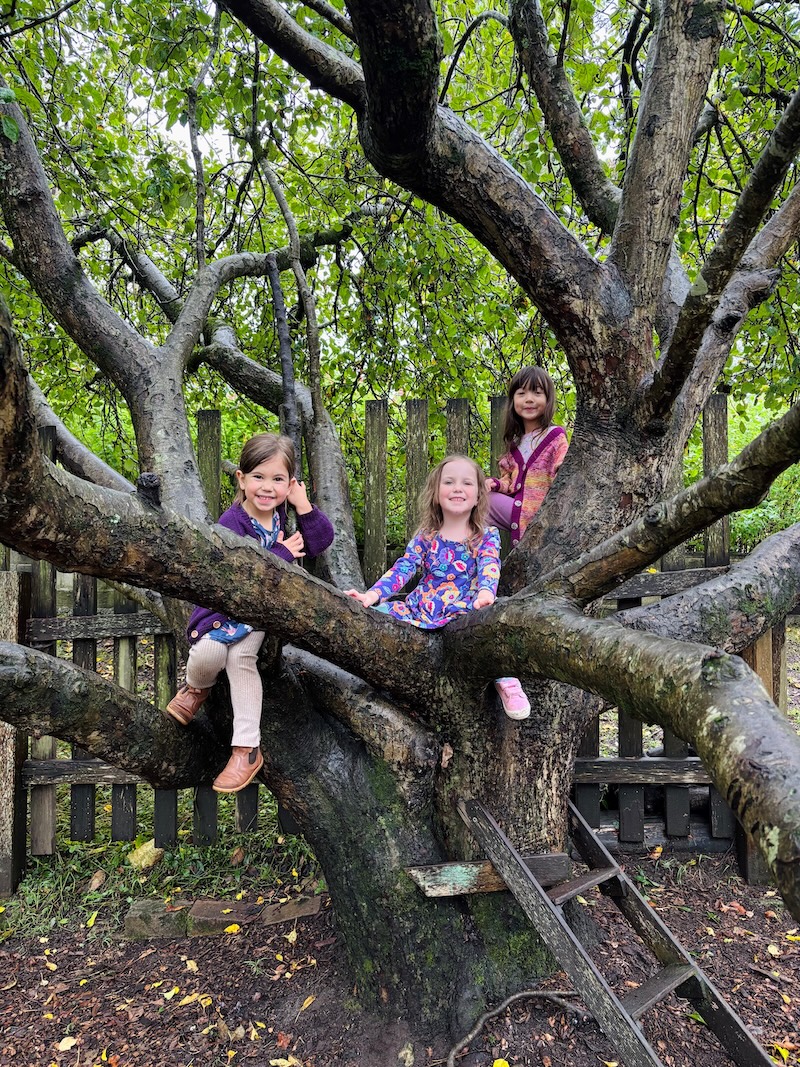
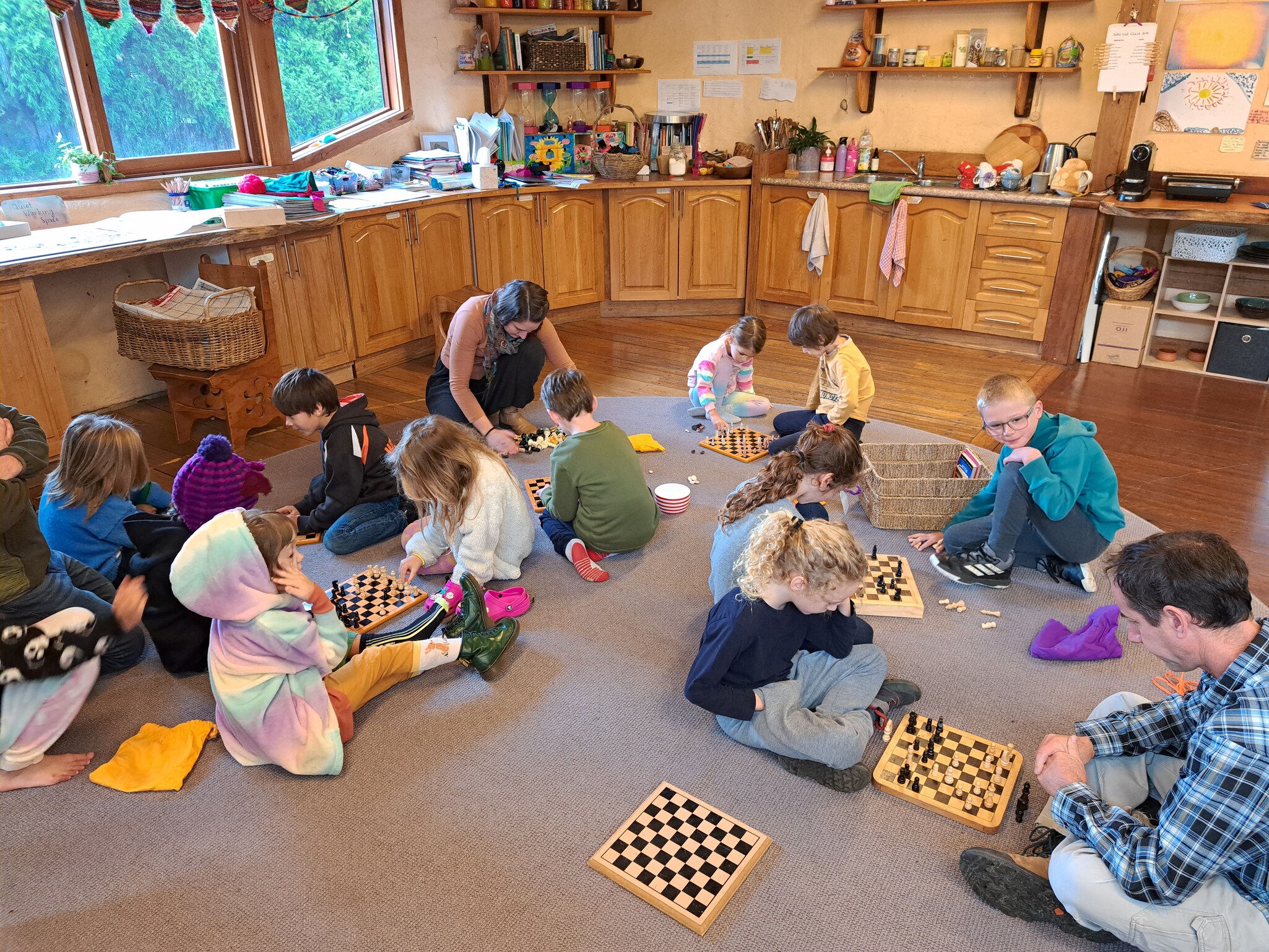
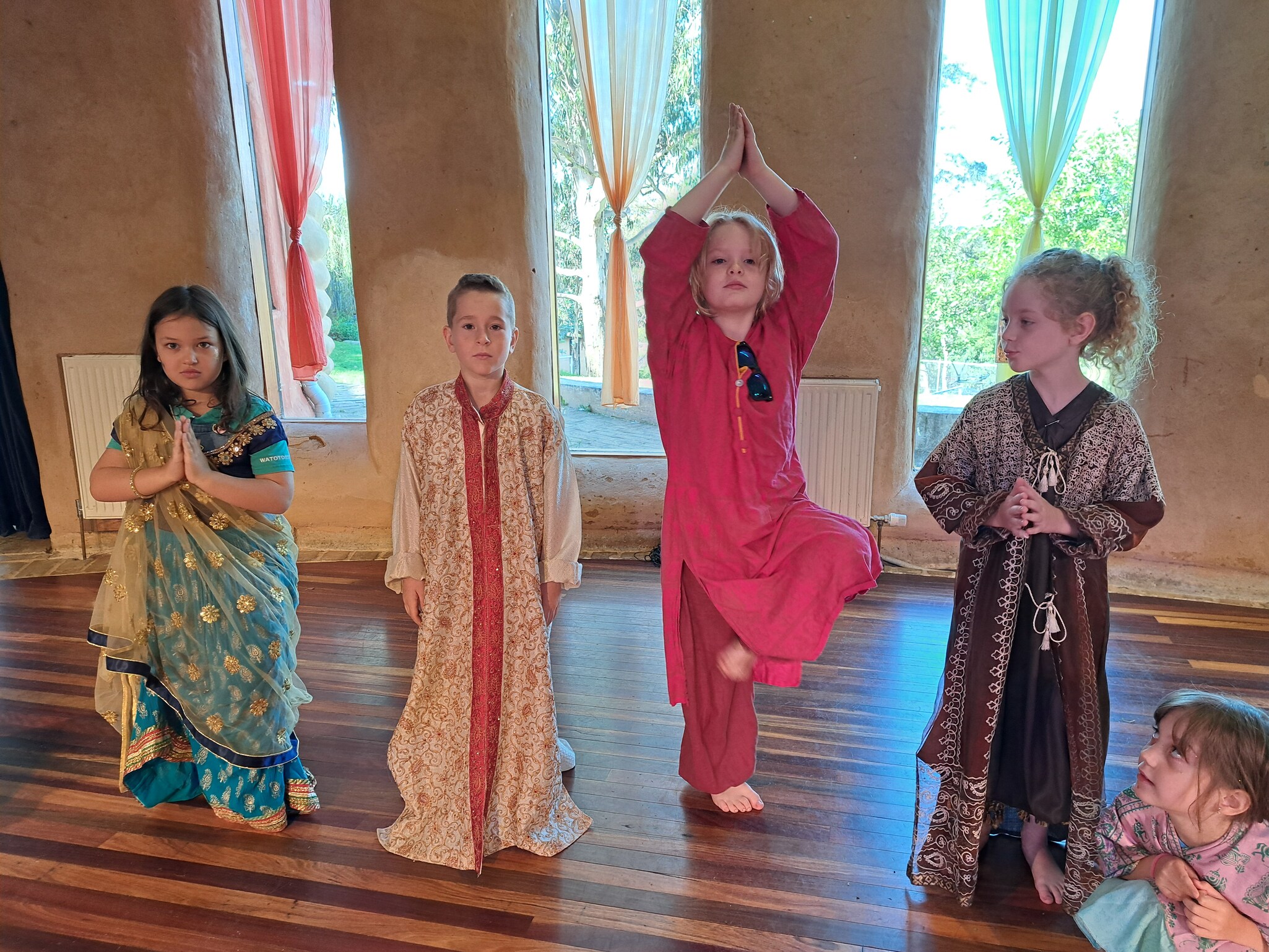
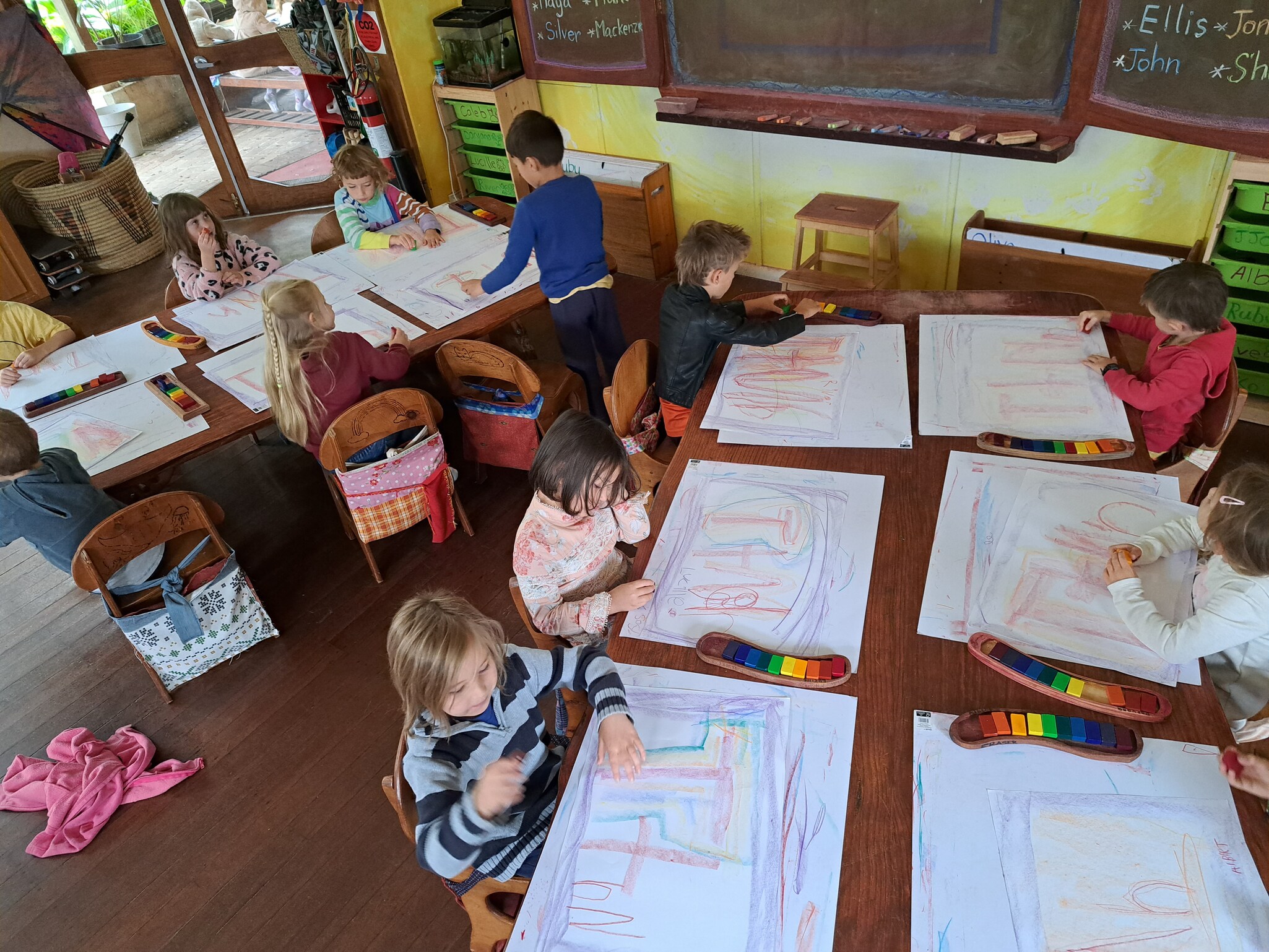
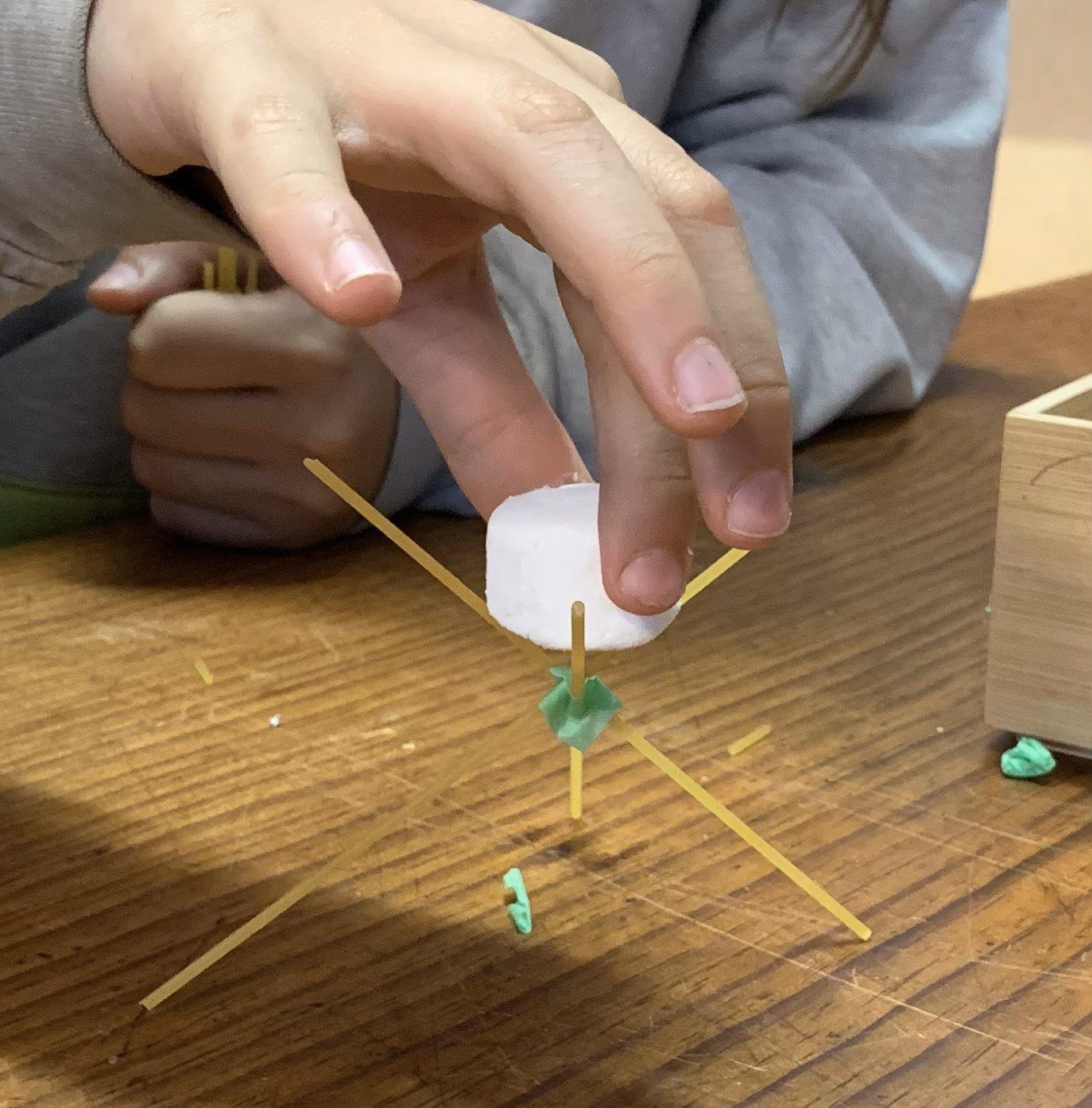
In the early primary years, lessons are brought through rich storytelling, artistic work, music, movement and practical tasks. Academic learning is carefully woven into these experiences so that children are intellectually engaged while also emotionally and creatively involved.
Parents often ask about discipline. Rather than relying on strict or punitive systems, we focus on clear expectations, consistent routines and respectful boundaries.
Classrooms are guided by cooperation, fairness and a shared sense of purpose. Children respond positively when they feel understood, respected and included.
As children move into the middle primary years, their thinking becomes more independent. Around the age of nine, many children begin to see themselves as separate from the world around them. They start asking deeper questions and noticing issues of fairness and justice.
This is a powerful time for learning.
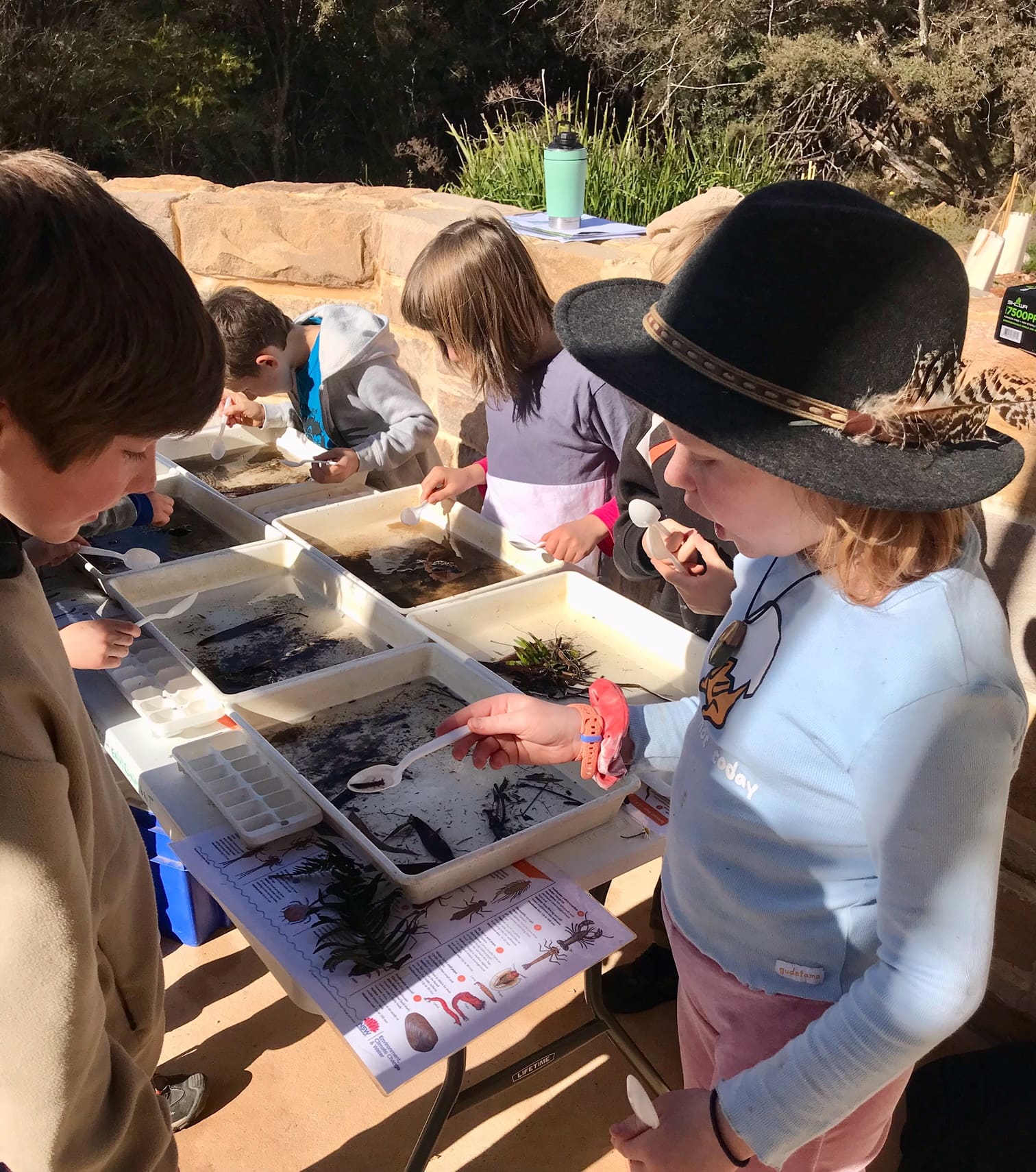
Students explore history, cultures, science and the humanities in ways that encourage thoughtful reflection and moral awareness.
They are often deeply moved by stories of courage, challenge and resilience, and begin forming their own values and perspectives.
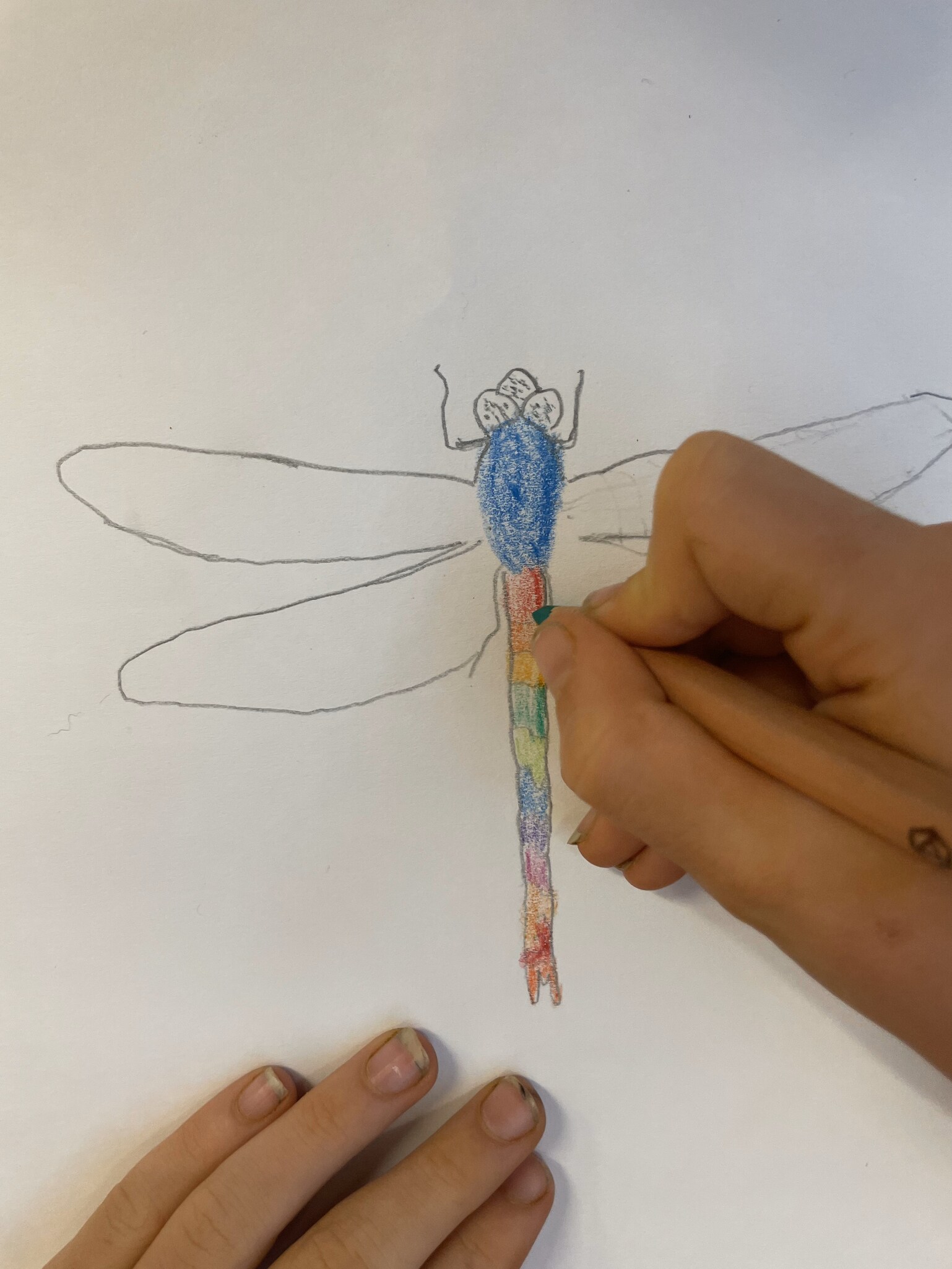
Artistic work remains central. Every child is encouraged to develop a sense of beauty, care and craftsmanship in their work.
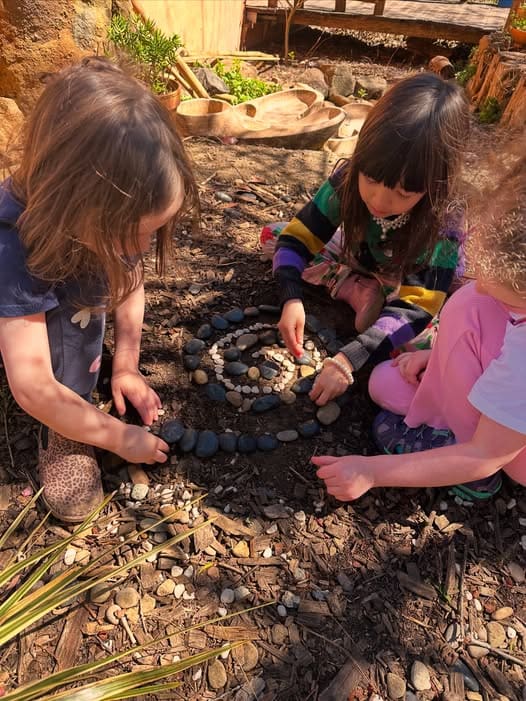
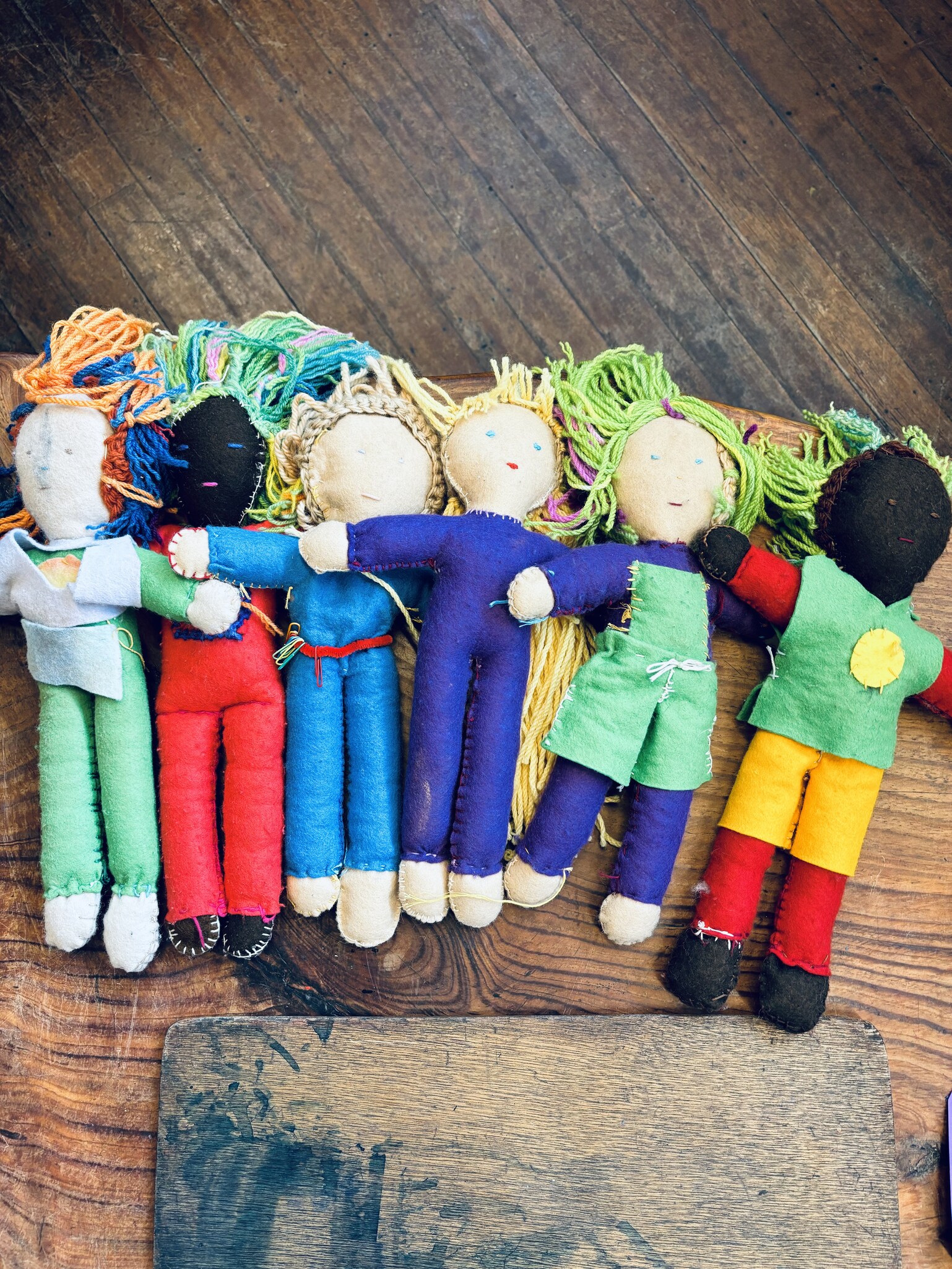
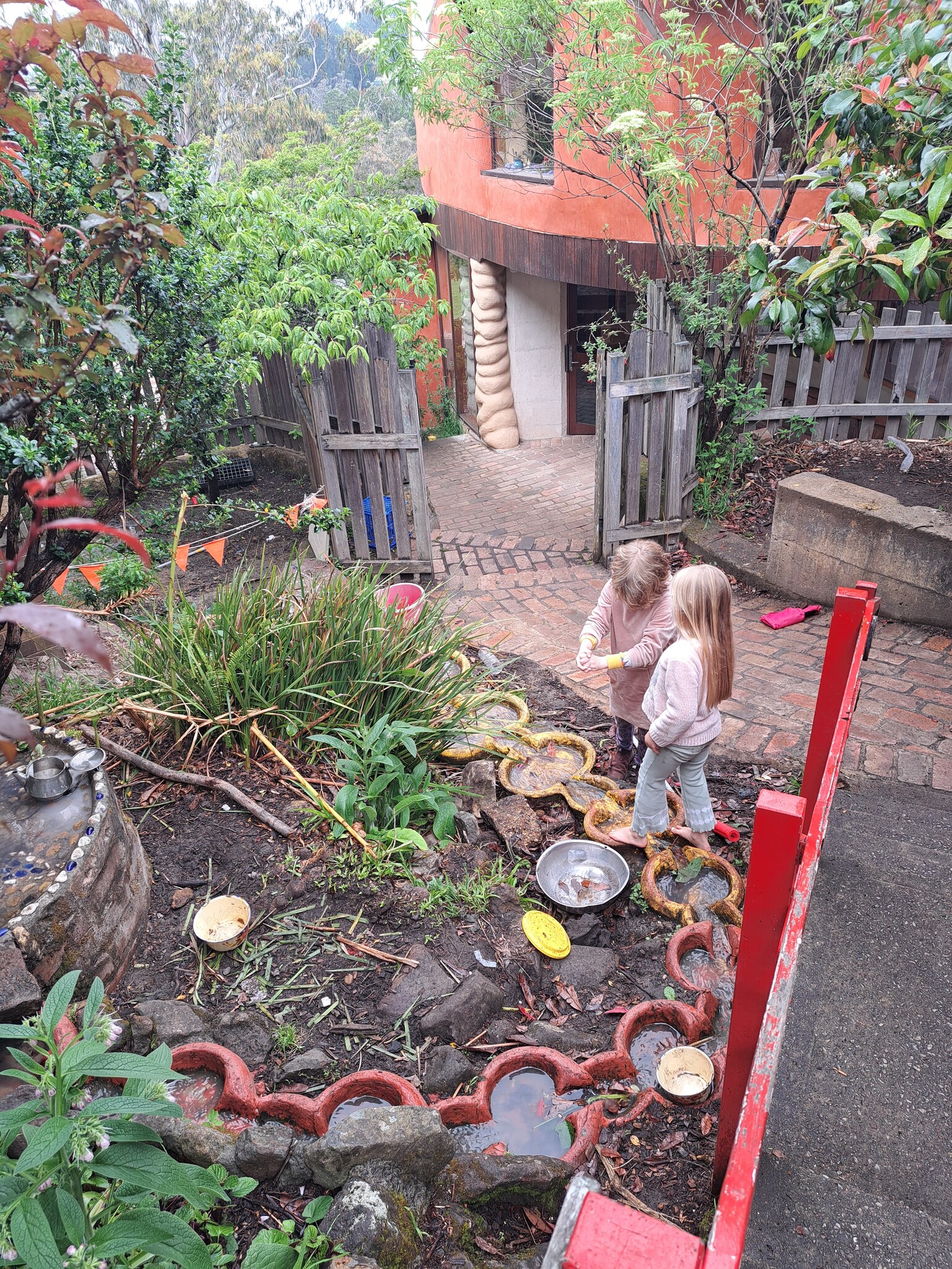
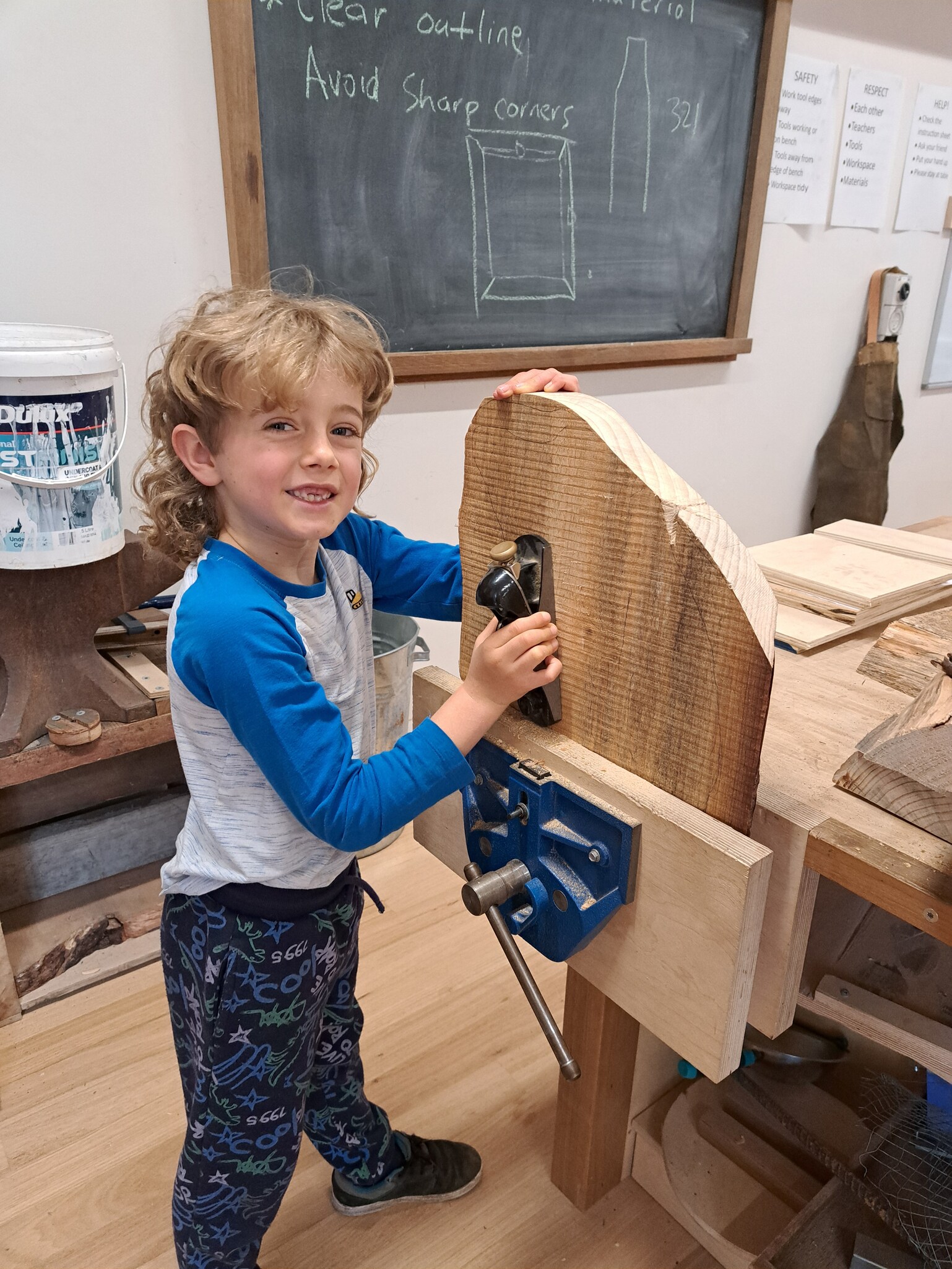
Practical activities such as gardening, cooking and handcraft help children feel capable and connected — that they have a meaningful place in the world.
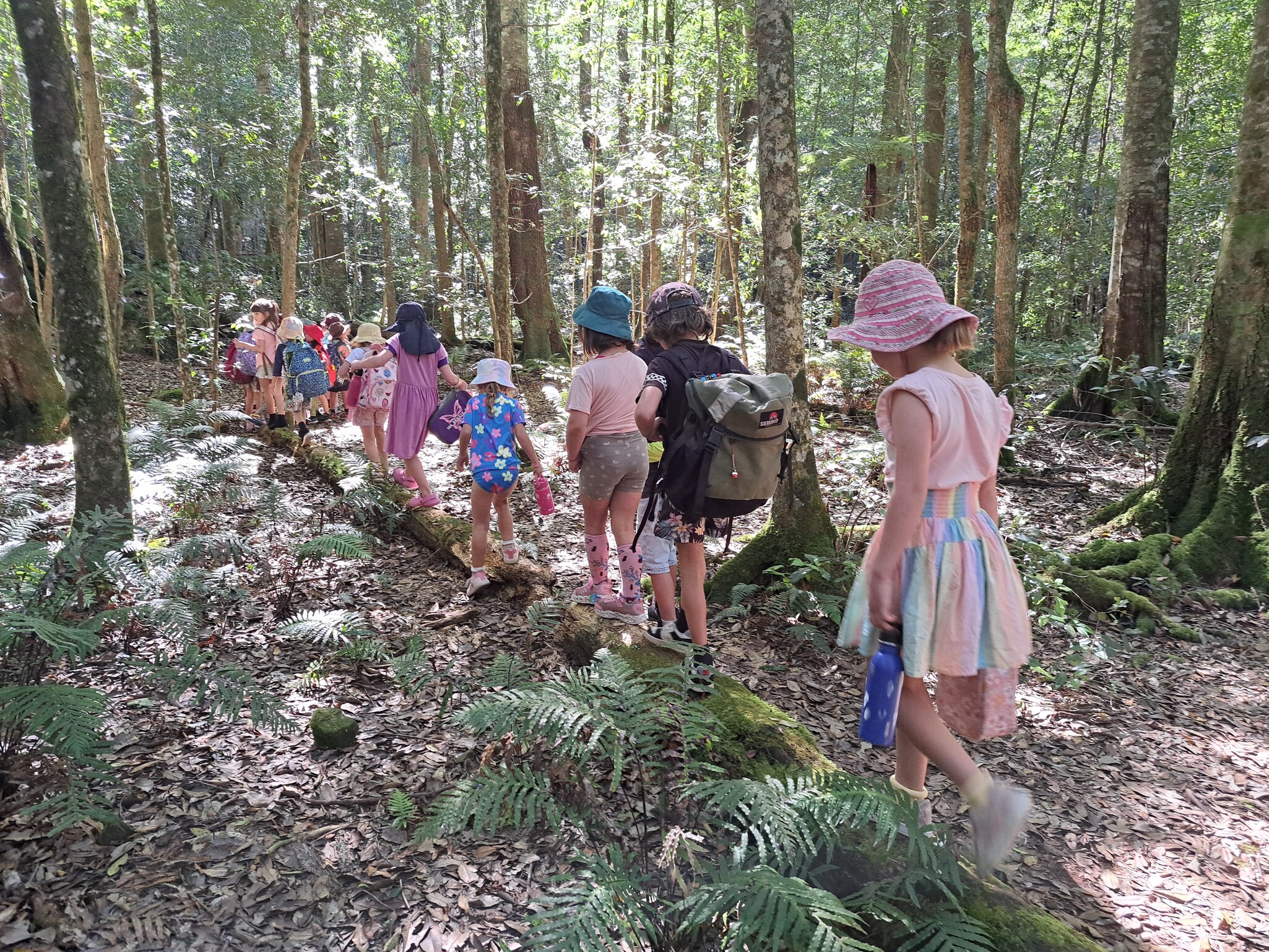
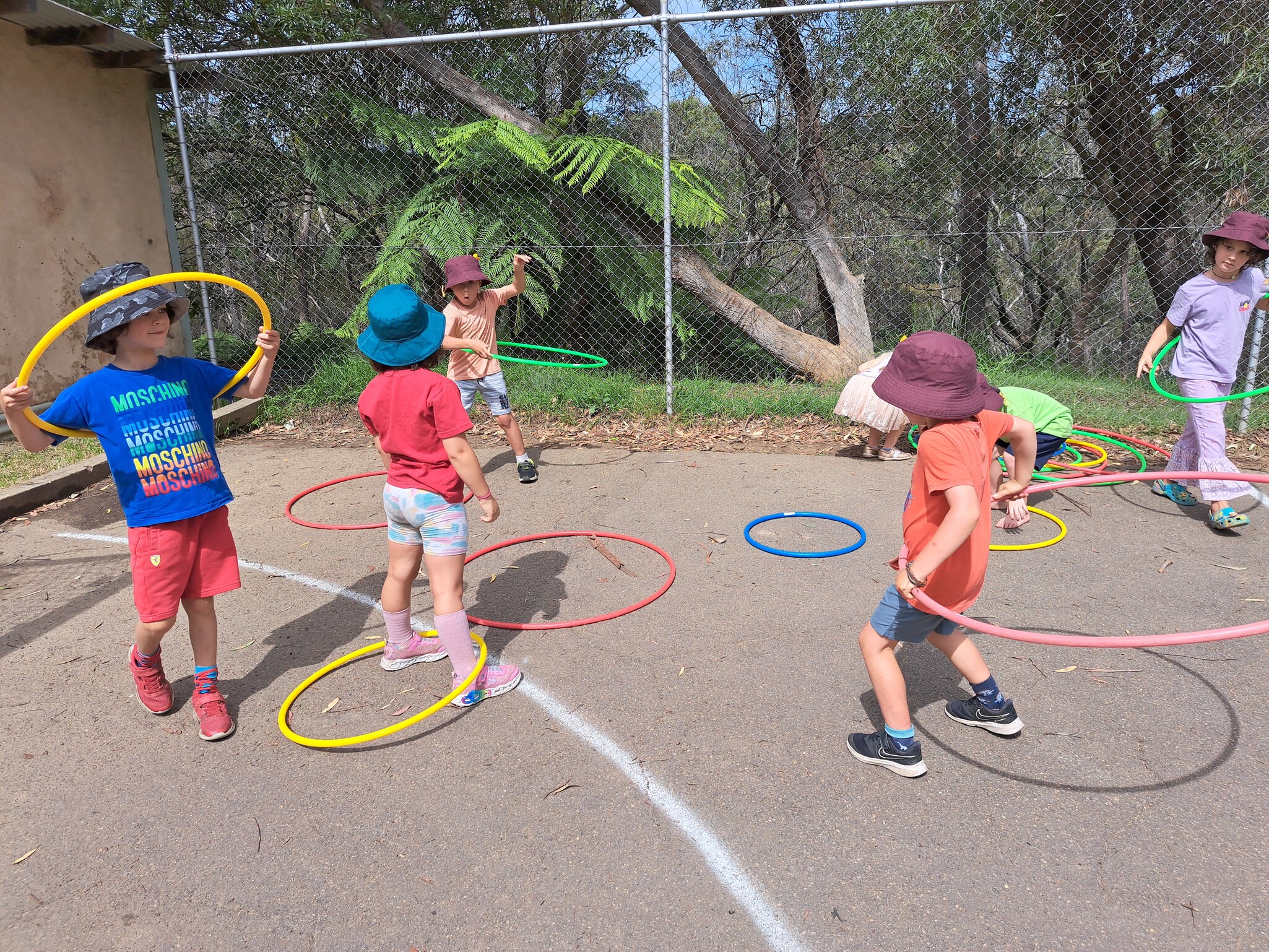
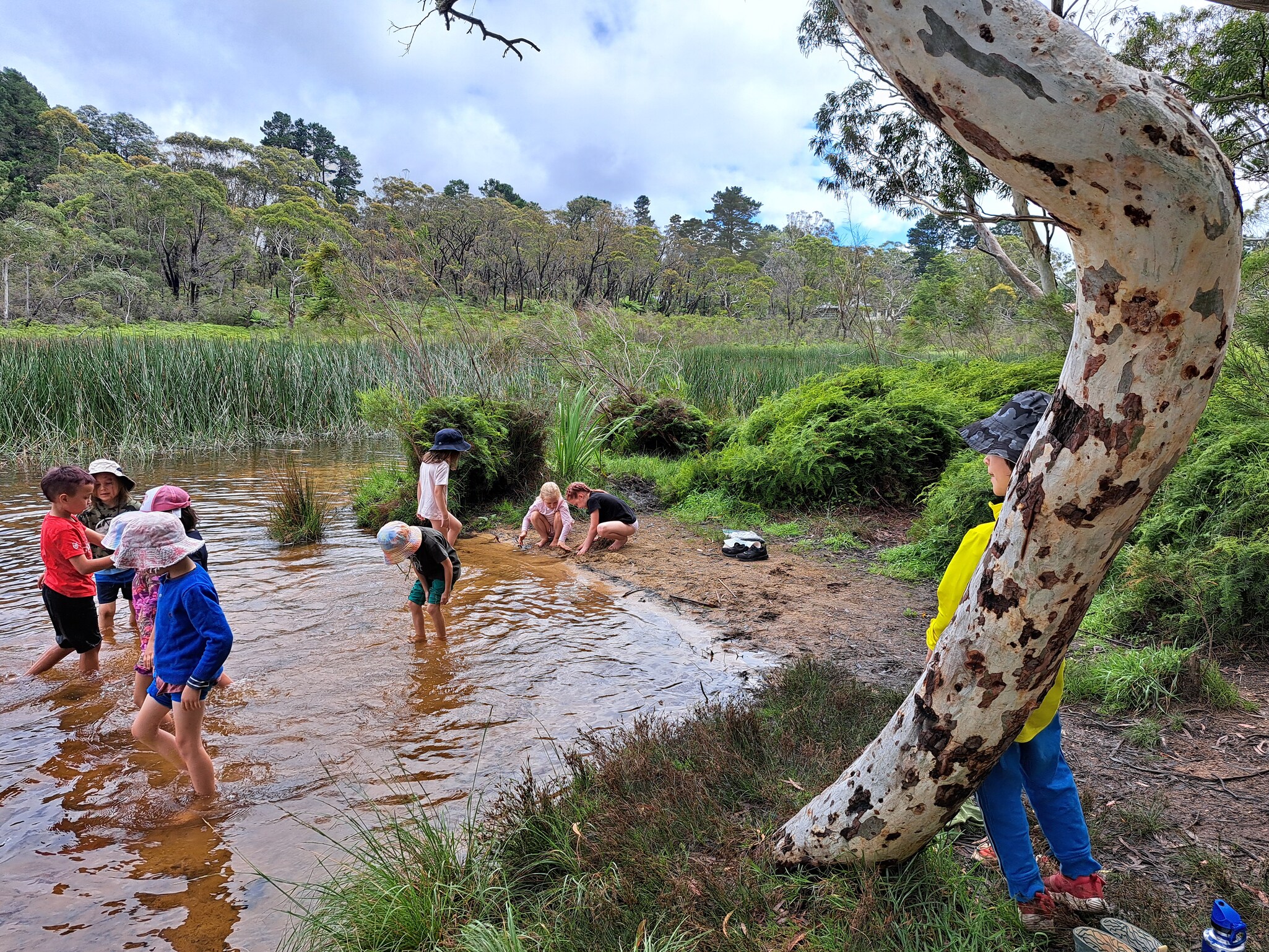
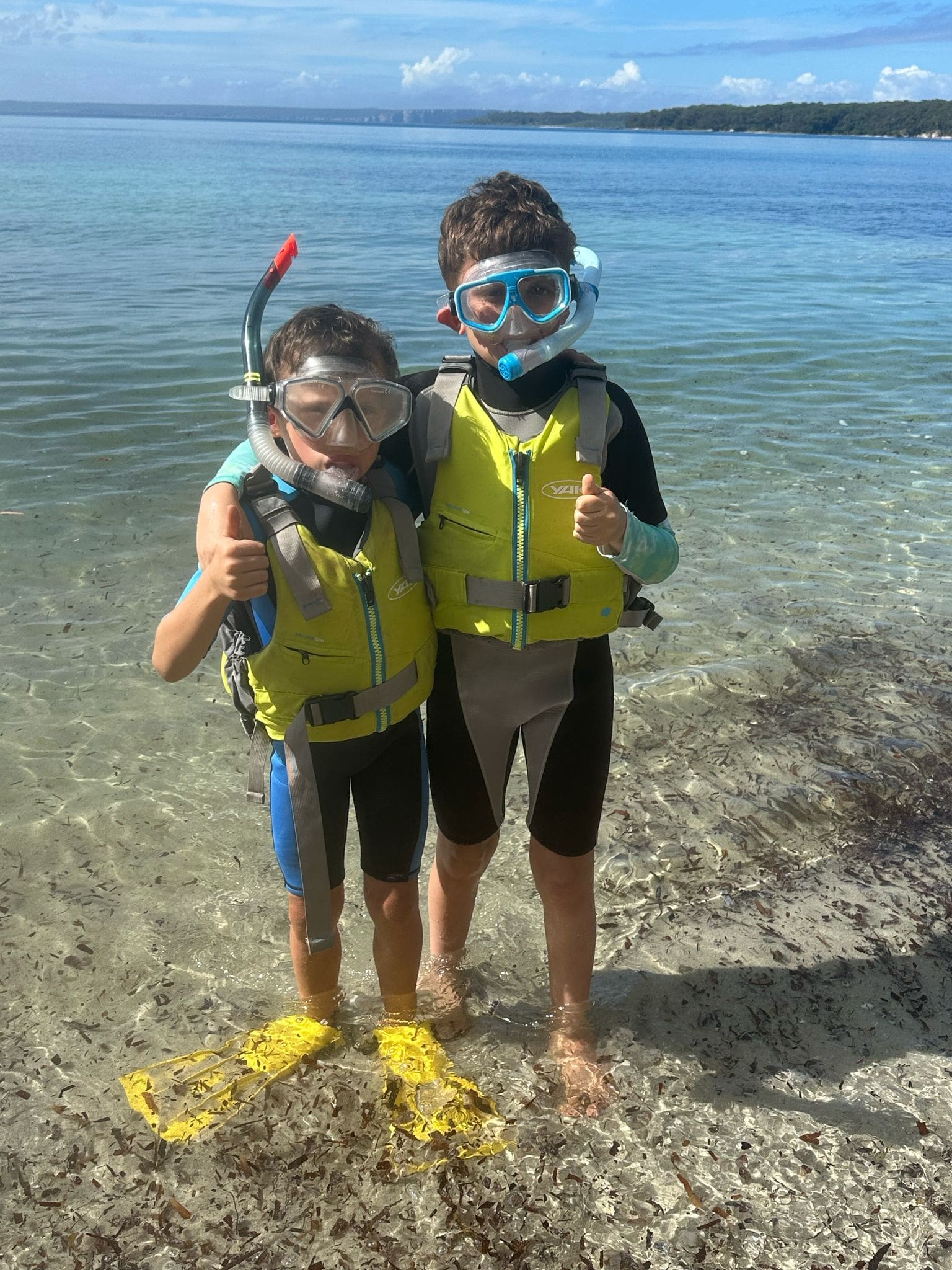
Outdoor education, games, bushwalking and camps strengthen social skills and personal resilience. Through shared challenges, students develop initiative, cooperation, perseverance and confidence.
Across all primary years, our aim is to nurture capable, thoughtful and compassionate young people — grounded in strong relationships and inspired by a genuine love of learning.


In the older primary classes, students begin preparing for the significant physical, emotional and social changes that come with adolescence. At this stage, they are seeking greater independence and more opportunities to express their emerging strengths and individuality.
Our program supports this growth through intellectual challenge, artistic achievement, physical activity and meaningful practical work. Students are encouraged to see themselves as capable, purposeful individuals with something valuable to contribute to the world.
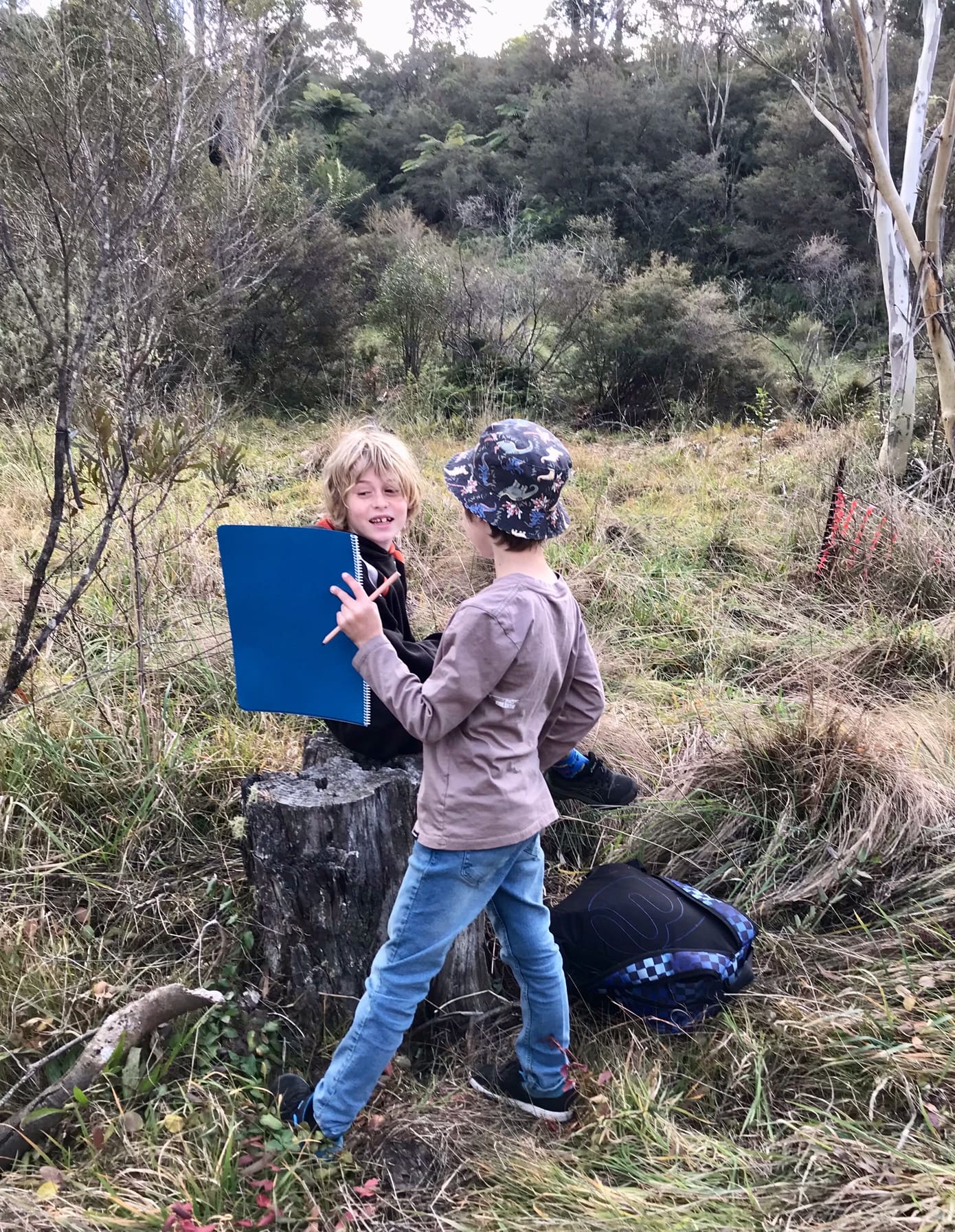
Curiosity about the wider world increases during these years. Questions are welcomed, perspectives are explored, and students are guided to observe carefully and think openly. Rather than rushing to fixed conclusions, they learn to consider different viewpoints and develop thoughtful, balanced judgement.
Biographies play an important role, offering inspiring examples of perseverance, courage and integrity. Through these stories, students see how dedication and resilience lead to meaningful achievement.
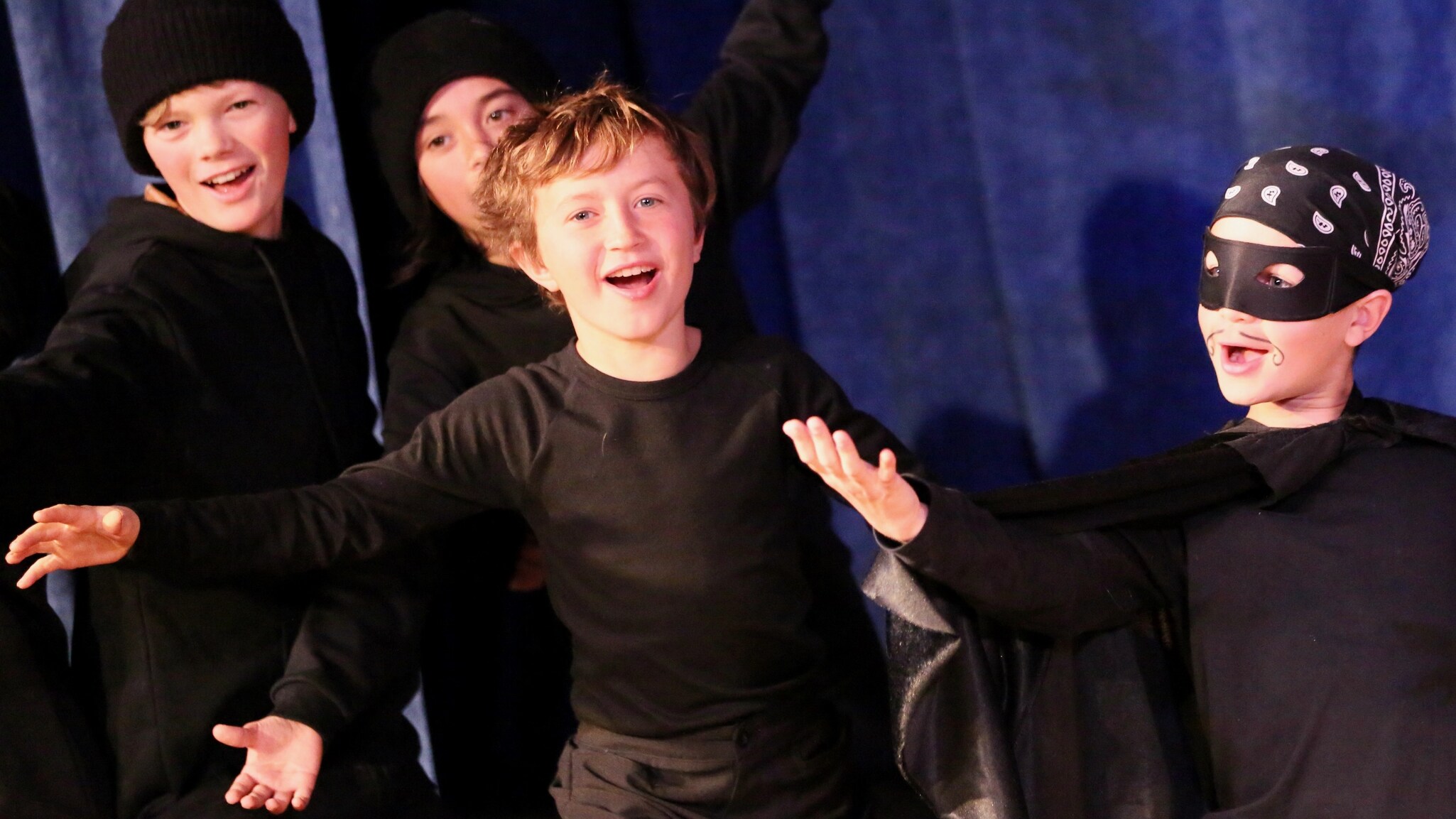
Excursions extend classroom learning into real-world contexts, making study relevant and alive. Camps, performances, presentations and community projects foster teamwork, responsibility and a strong sense of class unity. Friendships deepen during these years, and students learn important social skills as they navigate both the joys and challenges of group life.
A significant feature of the Class 6 Transition Year is the Major Project. Each student chooses an area of personal interest which could be creating something physical, learning a skill or a multifaceted project. They individually work towards a substantial outcome with the support of teachers, parents and a chosen mentor.
Through this process, students develop research, planning and organisational skills, while also experiencing the realities of challenge, revision, deadlines and accomplishment.
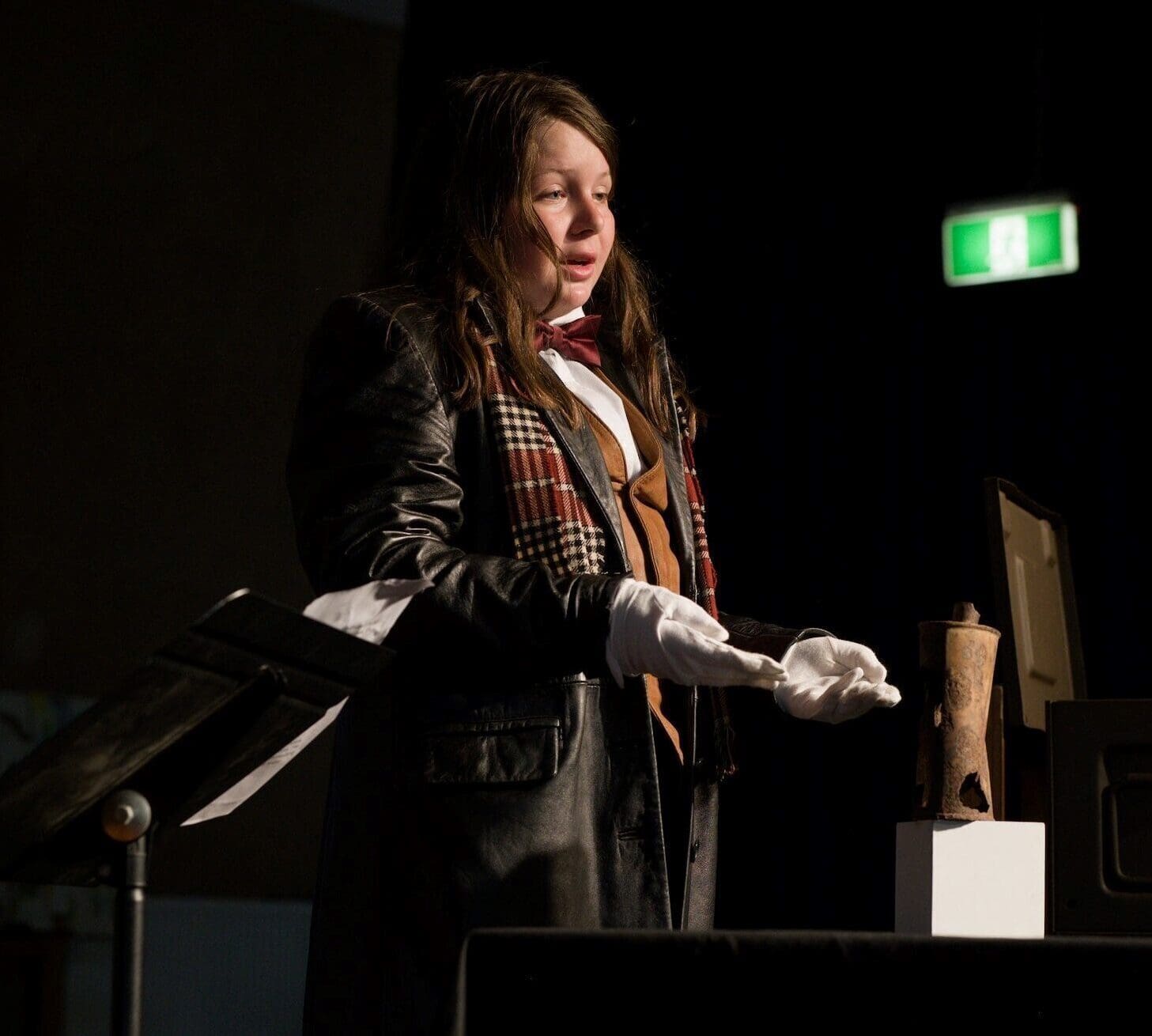
The final presentation of their work is a moment of genuine pride — a celebration of initiative, perseverance and growth.